
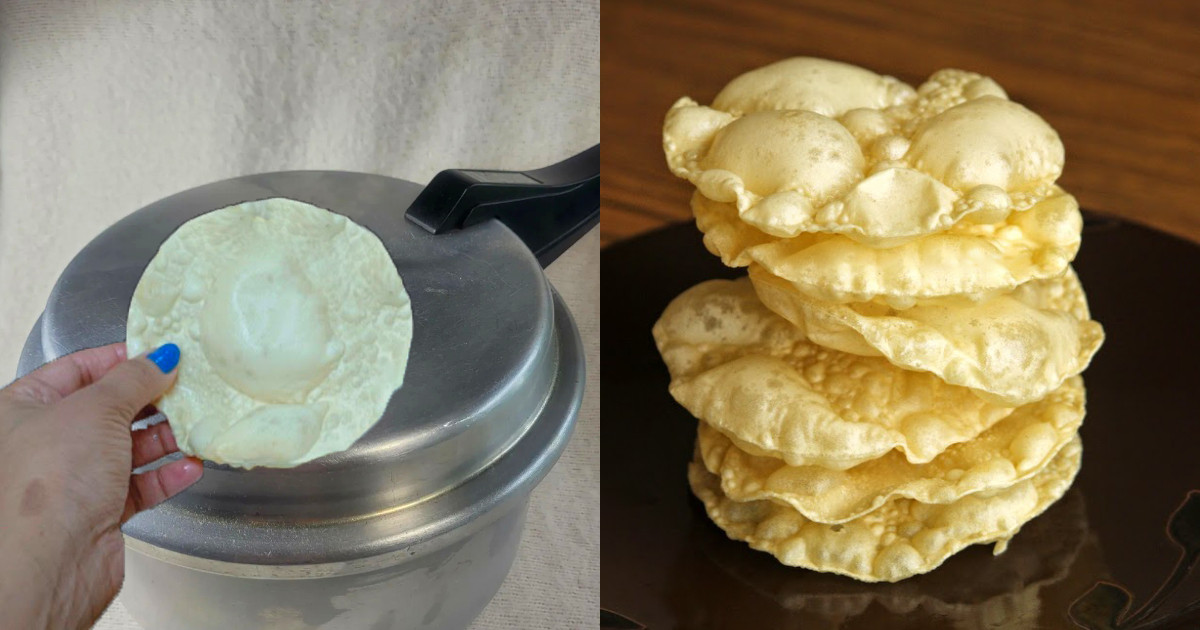
പപ്പടം വറുക്കാൻ ഇനി ഒരു തുള്ളി എണ്ണ വേണ്ട, കുക്കർ മാത്രം മതി! ഈ സൂത്രം അറിയാതെ ലിറ്റർ കണക്കിന് എണ്ണ വെറുതെ കളഞ്ഞു!! | Papadam Cooker Kitchen Tips
Pappadam Cooker Amazing Kitchen Tips

Papadam Pressure Cooker Kitchen Tips for Perfect Roasting
Papadam Cooker Kitchen Tips : Papadam can be roasted easily without oil using a pressure cooker. This simple kitchen trick helps you get evenly roasted, crispy papadams quickly while keeping the process clean and hassle-free.
Top Benefits of Roasting Papadam Using Pressure Cooker
- Oil-Free Method – Makes papadam light and healthier to eat.
- Even Roasting – Heat spreads evenly inside the cooker.
- Quick & Easy – Saves time compared to traditional methods.
- Less Kitchen Mess – No oil splashes or smoke.
- Beginner-Friendly Tip – Simple method anyone can follow.
അടുക്കള ജോലികൾ എളുപ്പമാക്കാനായി പല ട്രിക്കുകളും പരീക്ഷിക്കുന്നവരായിരിക്കും മിക്ക വീട്ടമ്മമാരും. എന്നാൽ അത്തരത്തിൽ പരീക്ഷിക്കുന്നവയിൽ പലതും ഉദ്ദേശിച്ച ഫലം നൽകാറില്ല. തീർച്ചയായും പരീക്ഷിച്ചു നോക്കാവുന്ന ചില കിടിലൻ അടുക്കള ടിപ്പുകൾ വിശദമായി മനസ്സിലാക്കാം. സാധാരണയായി പാചക ആവശ്യത്തിന് പൊടിയുപ്പ് ഉപയോഗിക്കുന്നവരായിരിക്കും മിക്ക ആളുകളും.
കല്ലുപ്പുമായി താരതമ്യം ചെയ്യുമ്പോൾ പൊടിയുപ്പിന് ഗുണങ്ങൾ കുറവാണ്. എന്നാൽ കല്ലുപ്പ് വാങ്ങി അത് പൊടിയുപ്പ് ആക്കി മാറ്റി ഉപയോഗപ്പെടുത്താൻ സാധിക്കും. അതിനായി കല്ലുപ്പ് ഒരു മിക്സിയുടെ ജാറിലേക്ക് ഇട്ട് നല്ലതുപോലെ പൊടിച്ചെടുക്കുക. അതിനുശേഷം എയർ ടൈറ്റ് ആയ ഒരു കണ്ടെയ്നറിലേക്ക് അത് പൊട്ടിച്ചിട്ട് രണ്ടു കഷണം ചിരട്ട കൂടി വച്ചു കൊടുക്കുക. ചിരട്ട ഉപ്പിൽ ഇറക്കി വയ്ക്കുകയാണെങ്കിൽ വെള്ളത്തിന്റെ അംശം മുഴുവനായും വലിച്ചെടുക്കുന്നതാണ്.
Papadam Roasting Pro Tips
- Heat the empty pressure cooker well before placing papadam.
- Roast one papadam at a time for even crisping.
- Flip quickly and remove once it puffs and crisps.
ചിരട്ടയ്ക്ക് പകരമായി ഒരു പേപ്പറിൽ അല്പം അരി പൊതിഞ്ഞു ഇടാവുന്നതുമാണ്. പൂർണ്ണമായും വെള്ളം വലിഞ്ഞതിനുശേഷം ഉപ്പ് സൂക്ഷിക്കാനാണ് താല്പര്യപ്പെടുന്നത് എങ്കിൽ ഒരു പാനിൽ ഉപ്പിട്ട് നല്ലതുപോലെ ഇളക്കി കൊടുക്കുക. ഇങ്ങനെ ചെയ്യുമ്പോൾ ഉപ്പ് കരിഞ്ഞു പോകാതിരിക്കാൻ പ്രത്യേകം ശ്രദ്ധിക്കണം. വെള്ളം മുഴുവനായും വലിഞ്ഞു കഴിഞ്ഞാൽ ഉപ്പ് എയർ ടൈറ്റ് ആയ ഒരു പാത്രത്തിലിട്ട് സൂക്ഷിച്ചു വെക്കാവുന്നതാണ്.
വെണ്ടയ്ക്ക കടകളിൽ നിന്നും വാങ്ങിക്കൊണ്ടു വന്നുകഴിഞ്ഞാൽ ഫ്രഷായി സൂക്ഷിച്ച് വക്കാൻ ഒരു ട്രിക്ക് ചെയ്തു വയ്ക്കാവുന്നതാണ്. വെണ്ടയ്ക്കയുടെ കൂർത്ത ഭാഗം കൈ ഉപയോഗിച്ച് പൊട്ടിച്ചു കളയുക. ഇങ്ങനെ ചെയ്യുമ്പോൾ വെണ്ടയ്ക്ക ഫ്രഷ് ആണോ എന്ന് അറിയാനായി സാധിക്കും. ഇനി എണ്ണയില്ലാതെ പപ്പടം വറുത്തെടുക്കാൻ എന്താണ് ചെയ്യേണ്ടത് എന്നും ബാക്കി ടിപ്പുകൾ അറിയുവാനും വീഡിയോ കാണാവുന്നതാണ്. Papadam Cooker Kitchen Tips Video Credit : shareefa shahul
Papadam Pressure Cooker Kitchen Tips – Crispy Papad Without Oil
Making papadam crispy at home doesn’t need deep frying or extra oil. Using a pressure cooker method is a smart kitchen hack that gives evenly roasted, light, and crunchy papadam with minimal effort. It’s quick, clean, and perfect for everyday cooking.
Why Pressure Cooker Method Works for Papadam
- Oil-Free & Light – Helps make papadam crisp without adding extra oil.
- Even Roasting – Cooker heat spreads evenly for uniform crispiness.
- Quick & Time-Saving – Takes only a short time compared to traditional methods.
- Less Kitchen Mess – No oil splatter or heavy cleanup needed.
- Easy for Daily Use – Uses a common kitchen utensil already available.
FAQs
1. Should water be added to the pressure cooker?
No, papadam is roasted in a dry cooker without water.
2. Is the lid closed while roasting papadam?
No, keep the lid open and use medium heat for safety and control.
3. Can multiple papadams be roasted at once?
Yes, but roast one at a time for best results.
4. Does this method work for all papadam types?
It works well for most thin papadams.
5. Will papadam stay crispy for long?
Yes, when cooled and stored properly, it stays crisp.
