
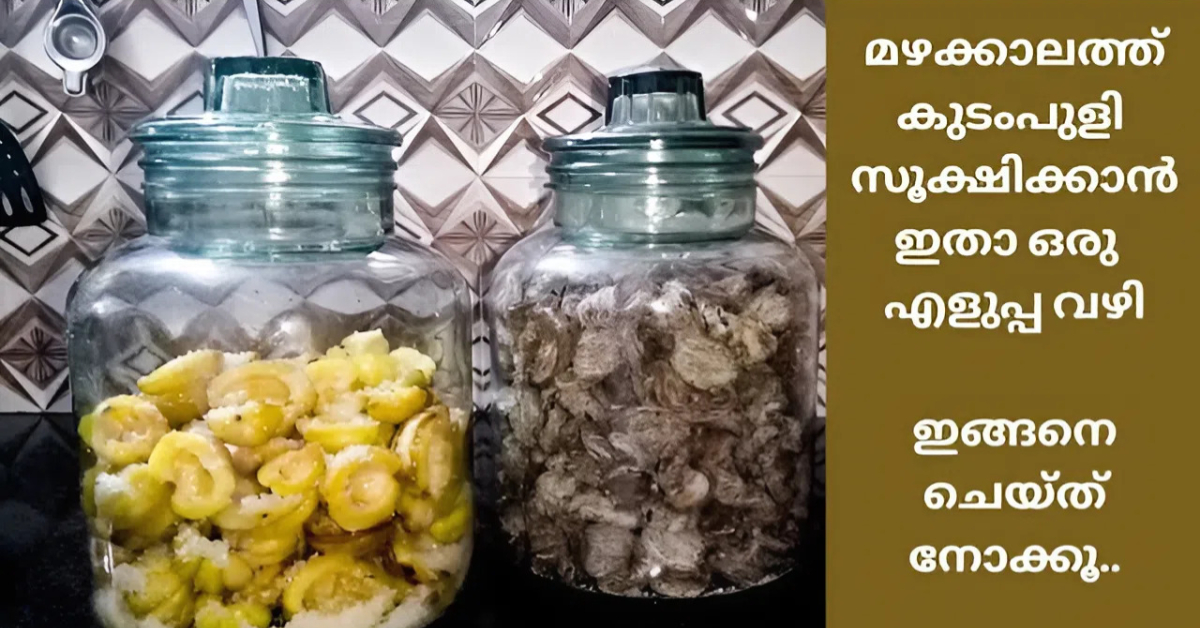
മഴക്കാലത്ത് കുടംപുളി സൂക്ഷിക്കാൻ ഇതാ ഒരു എളുപ്പ വഴി! കുടംപുളി ഇങ്ങനെ ചെയ്തു നോക്കൂ; ഇനി കുടംപുളി ഒട്ടും അഴുകി പോകില്ല!! | Dried Kudampuli Preparation at Home
Dried Kudampuli Preparation at Home

Dried Kudampuli Preparation at Home
Dried Kudampuli Preparation at Home : Kudampuli (Malabar tamarind) is widely used in traditional cooking for its tangy flavor and long shelf life. Preparing dried kudampuli at home ensures purity, better aroma, and safe storage using simple, traditional methods.
Top Benefits of Homemade Dried Kudampuli
- Pure & Additive-Free – No preservatives or artificial processing.
- Better Flavor – Retains natural sourness and aroma.
- Long Shelf Life – Proper drying allows long-term storage.
- Cost-Effective – Reduces the need for frequent purchases.
- Traditional & Reliable Method – Time-tested home preparation.
കുടംപുളി ഇട്ടു വച്ച നല്ല മീൻകറി ഇഷ്ടമില്ലാത്ത മലയാളികൾ ഉണ്ടാകില്ല. പൊതുവെ വേനൽക്കാലത്ത് നല്ലപോലെ പൂത്ത്, മഴക്കാലത്തു നന്നായി കായ്ക്കുന്ന ഒന്നാണ് കുടംപുളി. പൊതുവേ ജൂൺ, ജൂലൈ മാസത്തിലാണ് കുടംപുളി നന്നായി കായ്ക്കുന്നത്. ആ ഒരു സമയത്ത് തന്നെ മരത്തിൽ നിന്നും പഴുത്ത് താഴെ വീണു കിടക്കുന്ന കുടംപുളി എല്ലാം ശേഖരിച്ച് നമുക്ക് കുടം പുളി കുറെ നാളത്തേക്ക് സൂക്ഷിച്ചു വെക്കാം. അത് എങ്ങനെയാണെന്ന് വിശദമായി നോക്കാം.
സാധാരണയായി കുടംപുളി ഉണക്കിയാണ് ഉപയോഗിക്കാറുള്ളത്. എന്നാൽ പരമ്പരാഗതരീതിയില് ഉണക്കിയെടുക്കുന്ന കുടംപുളിയില് അനാരോഗ്യകരമായ അളവില് പുക ഉണ്ടാകാറുണ്ട്. കാറ്റൊക്കെ കൊണ്ട് വീഴുമ്പോൾ പഴുത്ത പുളിയുടെ കൂടെ പച്ചപ്പുളിയും വീഴും. അത് മാറ്റി വയ്ക്കേണ്ട കാര്യമില്ല. കേടുവന്ന ഭാഗം മാത്രം കുറച്ചൊന്നു മുറിച്ചു കളഞ്ഞു ബാക്കിയെല്ലാം നമുക്ക് ഈ ഒരു വിധത്തിൽ സൂക്ഷിച്ചു വെക്കാം. കുടംപുളി നന്നായി കഴുകി വൃത്തിയാക്കിയ ശേഷം അതിലെ വെള്ളമെല്ലാം മാറ്റാനായി ഒരു അരിപ്പയിലേക്ക് വെച്ച് കൊടുക്കുക.
Kudampuli Preparation Pro Tips
- Select fully ripe, dark-colored kudampuli without mold or damage.
- Clean and dry pieces thoroughly, then sun-dry for several days until moisture-free.
- Store dried kudampuli in a clean, dry, airtight container away from moisture.
ശേഷം ഇത് മുറിച്ച് എടുക്കണം. കുടംപുളിയുടെ ഉള്ളിലുള്ള കുരുക്കൾ എല്ലാം മാറ്റിയ ശേഷം ഇത് വേറൊരു പാത്രത്തിലേക്ക് മാറ്റി വെക്കുക. എല്ലാ കുടംപുളിയും ഇതു പോലെ തന്നെ കുരു എല്ലാം കളഞ്ഞ ശേഷം ഇത് ഒരു ഗ്ലാസ് ബോട്ടിലേക്ക് മാറ്റണം. അതിനായി ഒരു ഗ്ലാസ് ബോട്ടിൽ എടുത്ത് അതിലേക്ക് കല്ലുപ്പ് ചേർത്ത് കൊടുക്കുക. കല്ലുപ്പ് ഇട്ടു കൊടുത്ത് അതിനു മുകളിലായി കുറച്ച് കുടംപുളി ഇട്ടു കൊടുക്കുക. വീണ്ടും കല്ലുപ്പ് ചേർത്തു കൊടുത്ത് ഇതേ പോലെ തന്നെ ബാക്കി ഉള്ളതും ലയർ ആക്കുക.
ഇങ്ങനെ നമുക്ക് എത്ര കാലം വേണമെങ്കിലും കുടം പുളി കേടു വരാതെ സൂക്ഷിച്ചു വെക്കാൻ സാധിക്കും. ജൂൺ – ജൂലൈ മാസത്തിൽ മഴയൊക്കെ ആയതുകൊണ്ട് തന്നെ വെയിൽ ഒന്നും ഇല്ലാത്തത് കൊണ്ട് പുളി ഉണക്കി എടുക്കാൻ സാധിക്കില്ല. വെയിൽ വരുന്ന സമയത്ത് ഇത് ഒരു നെറ്റിൽ വിരിച്ച ശേഷം നല്ല വെയിൽ ഉള്ള സ്ഥലത്ത് വെച്ച് ഉണക്കി എടുത്ത് കുടംപുളി കുപ്പിയിലാക്കി എത്ര നാൾ വേണമെന്നുണ്ടെങ്കിലും യൂസ് ചെയ്യാം. കൂടുതൽ വിവരങ്ങൾ വിശദമായി അറിയാൻ വീഡിയോ മുഴുവനായും കണ്ടു നോക്കൂ. Dried Kudampuli Preparation at Home Credit : Raziya’s Kitchen
Dried Kudampuli Preparation at Home
Kudampuli (Malabar tamarind) is widely used in traditional cooking for its distinct sour taste and aroma. Preparing and drying kudampuli properly at home helps retain flavor, color, and shelf life. With the right drying and storage methods, homemade dried kudampuli stays clean, mold-free, and ready for long-term use.
Best Tips for Preparing Dried Kudampuli
- Select Mature Kudampuli – Choose fully ripe, dark fruits for better sourness and color.
- Wash & Slice Evenly – Clean well and cut into uniform pieces for even drying.
- Sun-Dry Completely – Dry under strong sunlight for several days until fully moisture-free.
- Turn Pieces Daily – Ensures uniform drying and prevents spoilage.
- Store Airtight – Keep dried kudampuli in a clean, dry, airtight container away from moisture.
FAQs
- How long does kudampuli take to dry?
Usually 3–5 sunny days, depending on sunlight and slice thickness. - How do I know it’s fully dried?
Pieces become dark, firm, and non-sticky with no moisture inside. - Can kudampuli be dried indoors?
Sun-drying is best; indoor drying needs strong airflow and takes longer. - How long does dried kudampuli last?
Several months when stored dry and airtight. - Why does dried kudampuli develop mold?
Due to leftover moisture or improper storage.
